
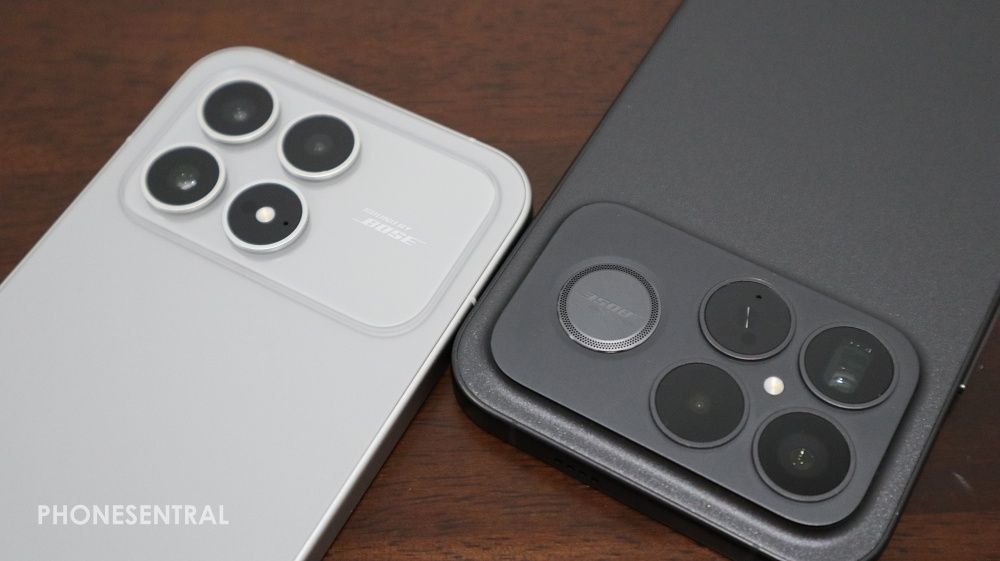
It feels like just yesterday we were talking about the F7 series, but POCO has already upped the ante with the new POCO F8 Pro and its even beefier sibling, the POCO F8 Ultra.
Having spent a a few weeks switching my SIM card between these two, I’ve realized that the gap between “Pro” and “Ultra” isn’t just about a name – it’s about how much “beast” you really need in your pocket.
While both aim to dominate the high-performance market, they cater to slightly different types of users.
If you’re a tech enthusiast in Malaysia looking for your next daily driver, this comparison is for you.
Main Highlights
POCO has always been about “everything you need, nothing you don’t,” but with this generation, they are clearly pushing into the premium space.
The brand is heavily promoting the Ultra as a “next-gen flagship” with its dual-chipset architecture and a massive battery that sets a new record for the series.
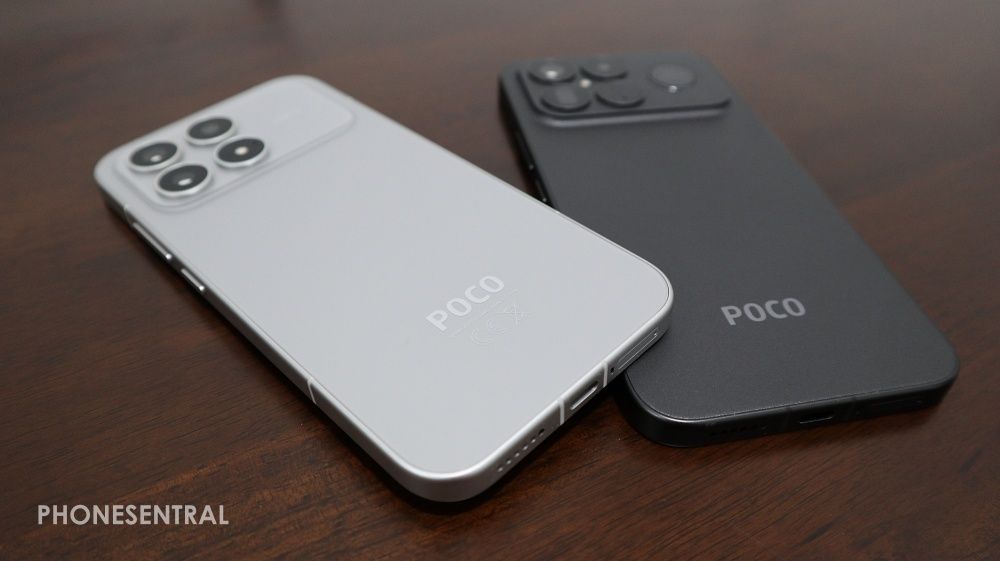
On the flip side, the F8 Pro is marketed as the “unapologetic all-rounder,” focusing on delivering that signature POCO speed and value without the ultra-premium price tag.
Both models highlight a major new partnership with Bose, promising an audio experience that finally matches their raw processing power.
Design, Body, and Durability
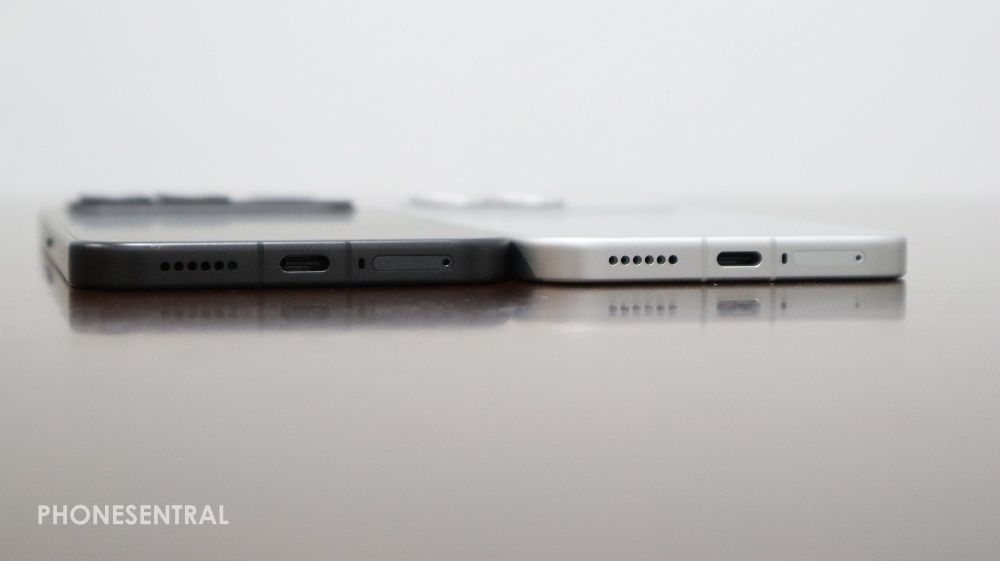
Holding these two side-by-side, the difference is immediate. The POCO F8 Ultra is a statement piece; I’ve been using the Black version, and it feels really nice in my hands.
It’s a large phone, leaning into that “phablet” territory, and it feels substantial in the hand without being overly bulky.
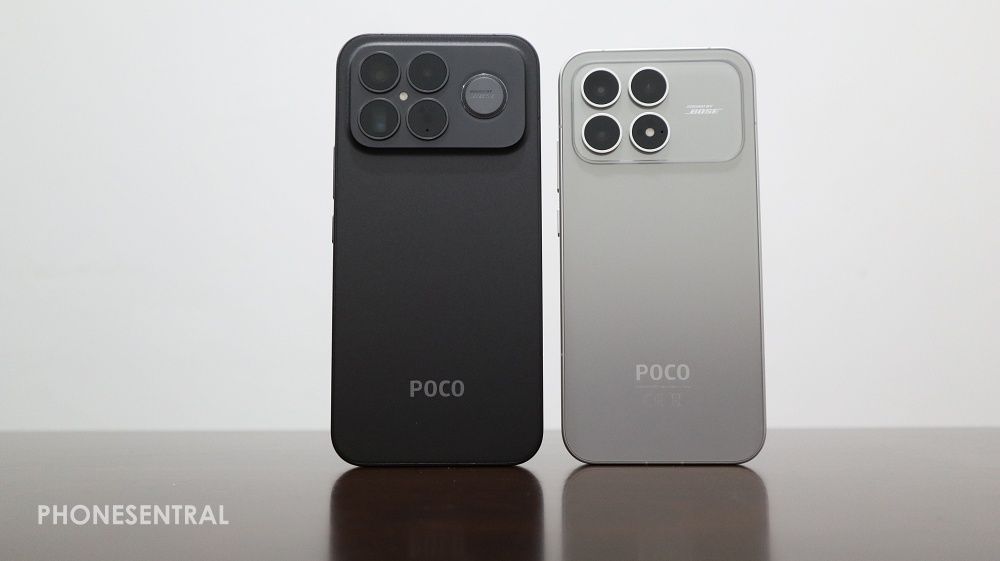
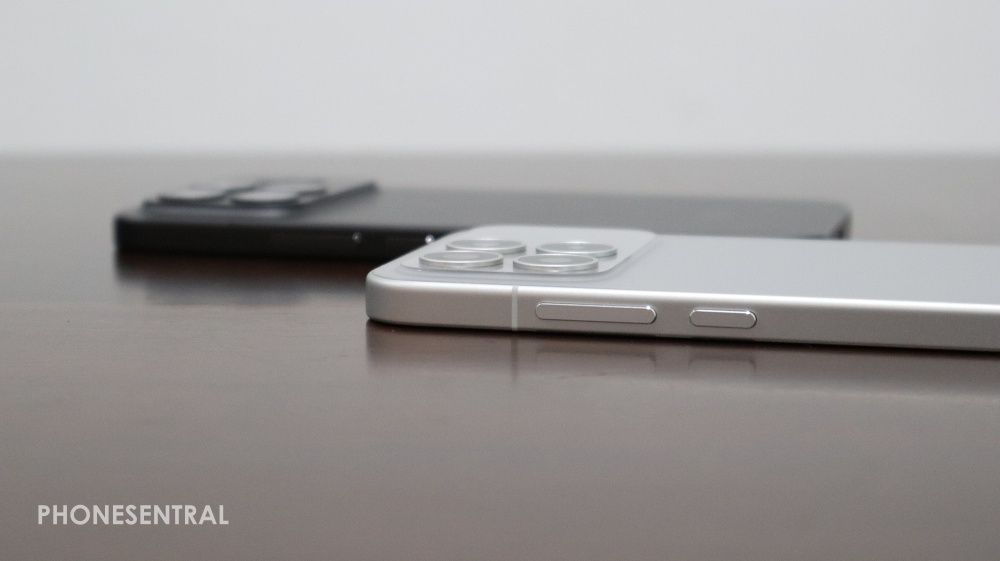
The F8 Pro feels more nimble. It has moved away from the circular camera islands of the past for a more modern, boxy horizontal strip that looks sleek but is definitely a fingerprint magnet.
Both phones feel incredibly solid, and the addition of IP68 water and dust resistance on both is a huge win for durability—you won’t have to panic if you get caught in a sudden Kuching downpour.
Screen & Display
The Ultra features a massive 6.9-inch display that is just a joy for watching movies or gaming. It uses a new “HyperRGB” structure which makes colors look more natural and punchy compared to the F7 Ultra.
Meanwhile, the F8 Pro has actually shrunk slightly to 6.59 inches. While some might miss the extra screen real estate, I found it much easier to use with one hand while walking.
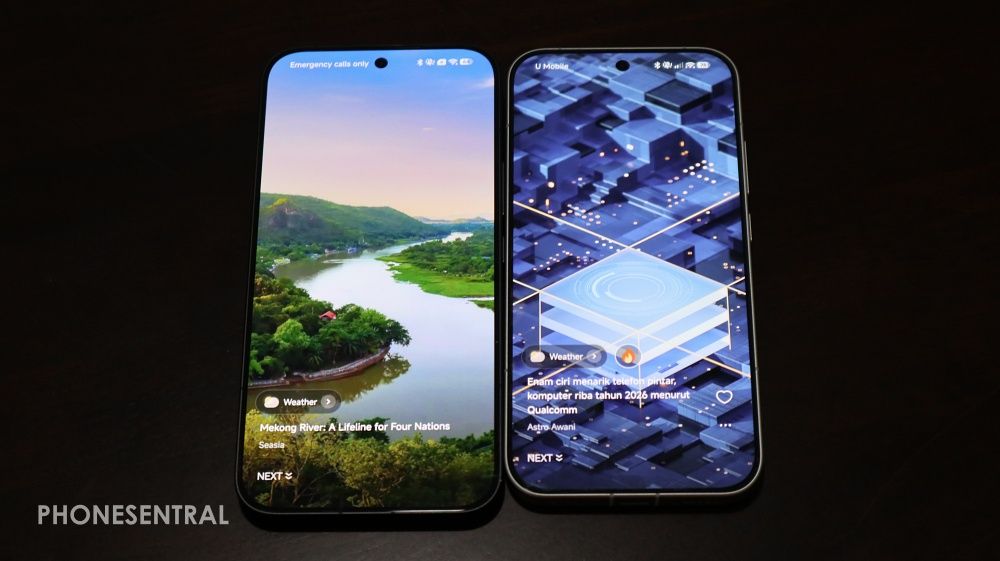
Both screens are incredibly bright—reaching up to 3500 nits—which means even under the blazing Malaysian sun, I had no trouble reading my emails.
The 120Hz refresh rate is buttery smooth on both, making every scroll feel instantaneous.
Audio System
This is where the partnership with Bose really shines. The F8 Ultra features a triple-speaker setup (2.1 channel) that includes a dedicated woofer.
It’s loud, clear, and has a depth of bass that I’ve never heard on a smartphone before; it honestly makes portable Bluetooth speakers feel redundant for casual listening.
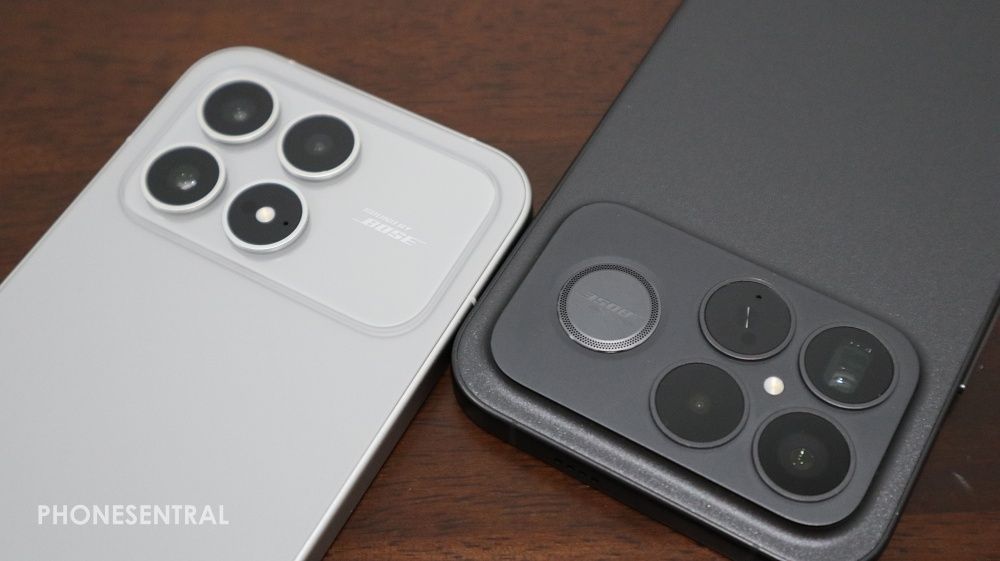
The F8 Pro “only” has dual stereo speakers, also tuned by Bose.
While it doesn’t have the same “thump” as the Ultra, it’s still significantly better than its predecessor, offering a balanced and crisp sound that makes YouTube binging a treat.
Processor, RAM & Storage
Performance is where these two separate from the pack.
The Ultra debuts the Snapdragon 8 Elite Gen 5, and combined with a dedicated VisionBoost D8 chip, it is an absolute monster.
I pushed it with heavy games like EA FC and PUBG at max settings, and it didn’t break a sweat.
The Pro uses the standard Snapdragon 8 Elite—which is still a flagship-grade chip—and honestly, for 90% of users, you won’t notice a difference in daily apps.
Both come with lightning-fast UFS 4.1 storage and 12GB of RAM as standard, ensuring that multitasking is a breeze.
Software
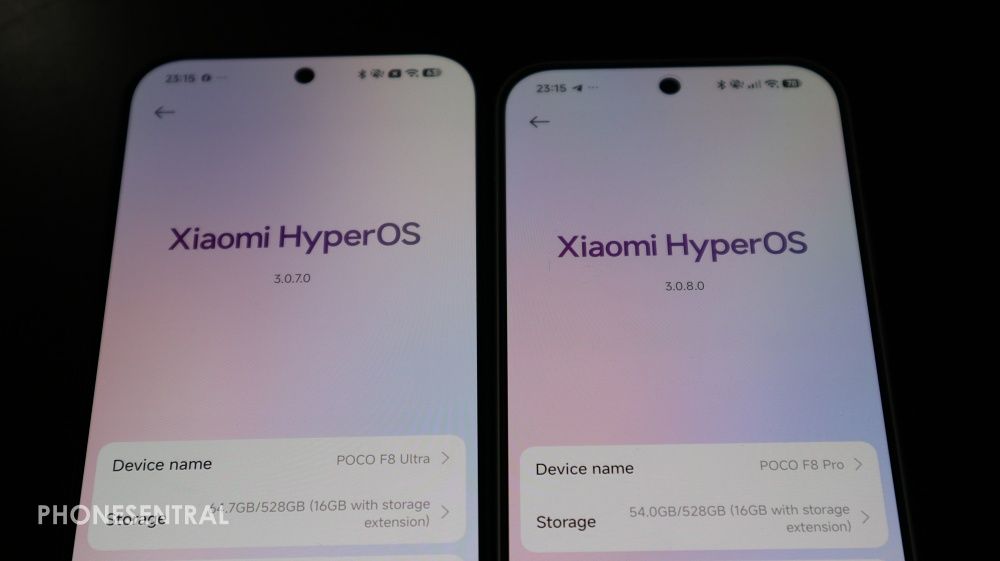
Both devices run on the new HyperOS 3. It feels cleaner and more intuitive than older versions of MIUI, with a new “HyperIsland” feature on the status bar that handles notifications and multitasking beautifully.
The AI capabilities are actually useful this time around—the AI Writing tool helped me polish a few captions, and the “AI Super Resolution” in games makes everything look sharper without draining the battery.
There is still some bloatware (pre-installed apps), but they are easy enough to tuck away in a folder.
Camera
The Ultra is a photographer’s POCO. It features a triple 50MP setup, including a 5x periscope telephoto lens that takes fantastic zoomed-in shots with plenty of detail.
The main sensor captures light beautifully, even in tricky backlight situations.
For video, it supports 8K recording and has excellent stabilization.
The F8 Pro is more “standard flagship.” Its 50MP main camera is great for social media shots with vibrant colors, but its 8MP ultra-wide and 2.5x telephoto can’t quite match the Ultra’s clarity in low light.
It’s a capable camera for everyday life, but if photography is your hobby, the Ultra is the clear winner.
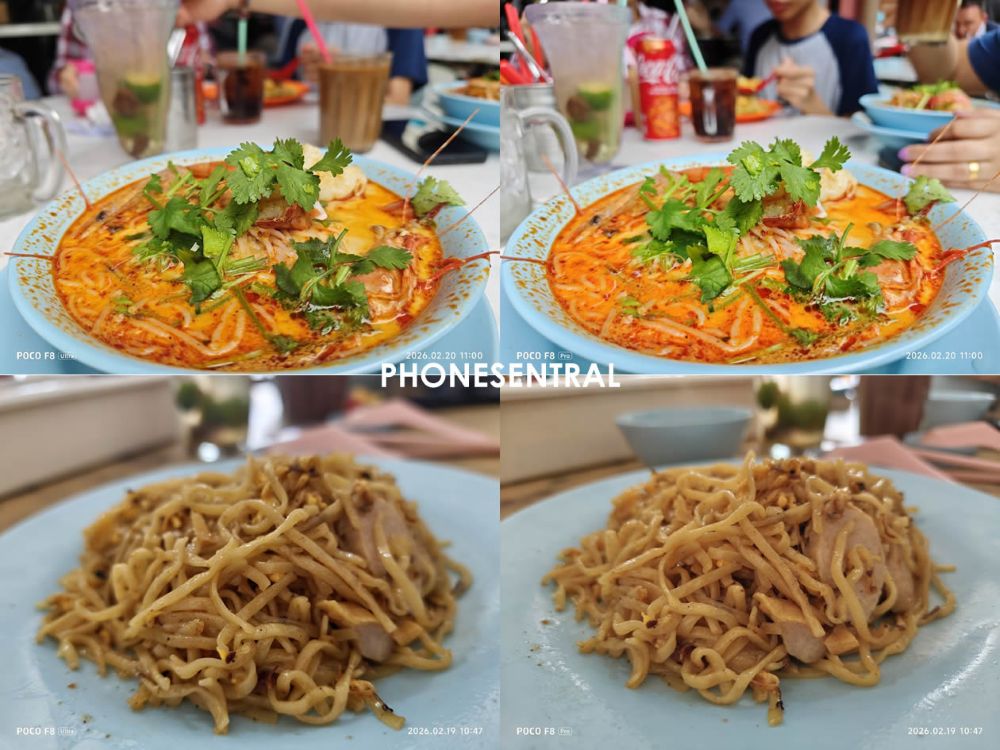
Below are some comparison between both devices in terms of images produced, without comparing the extra zoom (as the Ultra clearly has an added advantage).
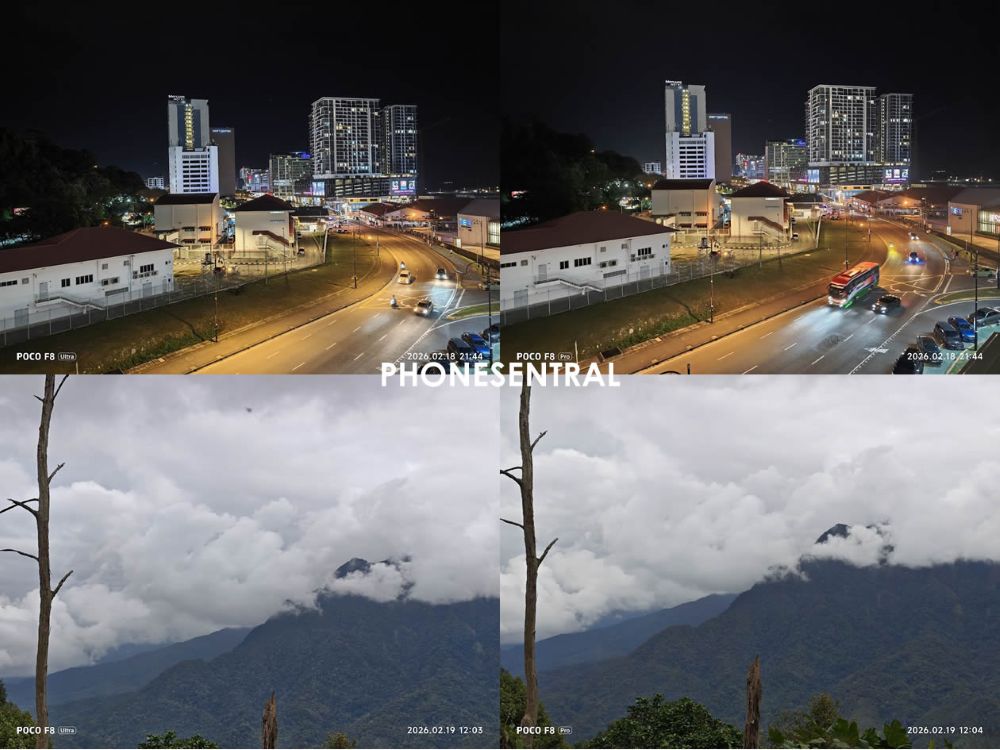

For videography, you can refer to the twho videos I made below.
Battery
POCO didn’t hold back here. The Ultra packs a 6500mAh battery, while the Pro has a 6210mAh unit.
In my testing, both easily lasted more than a full day.
Even with heavy gaming and GPS use, I rarely finished the day with less than 20% on the Ultra. Both support 100W wired charging, which gets you from zero to full in under 40 minutes—perfect for a quick top-up during lunch.
The Ultra also supports 50W wireless charging, a luxury feature that the Pro skips.
Conclusion and Where to Buy
So, which one should you get? If you are a hardcore gamer, a mobile photographer, or someone who just wants the absolute best specs available, the POCO F8 Ultra is a powerhouse that justifies its price.
However, if you want 95% of that performance in a slightly more manageable size and want to save some money, the POCO F8 Pro remains the king of value.
In Malaysia, the POCO F8 Pro starts at RM2,499, while the Ultra starts at RM3,199. You can purchase them at the official Xiaomi stores on Shopee and Lazada, or via mi.com.
Keep an eye out for “Flash Sales” or double-digit sales (like 3.3 or 4.4), as POCO often offers special discounts, sometimes of up to RM400 off, which makes these devices an even better steal.
Psst… You can read the full review of both phones below.