
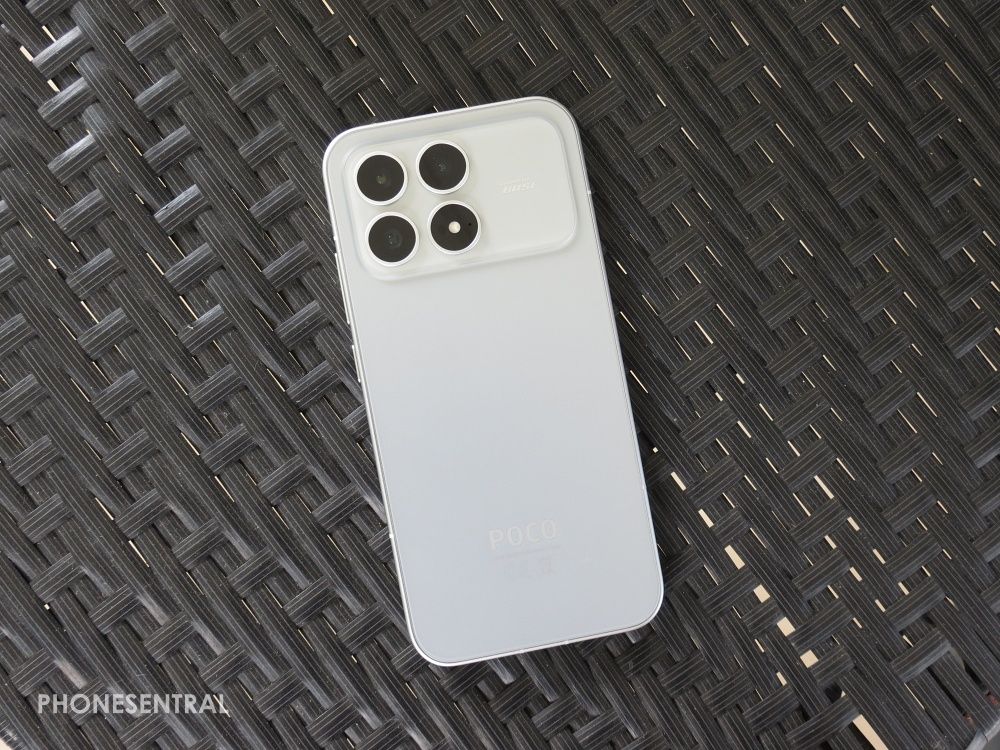
After a week testing and pushing this device to its limits, I’ve finally gathered my thoughts on the latest heavy hitter from POCO.
If you’ve been following my blog at PhoneSentral.com, you know I have a soft spot for devices that offer massive power without demanding a massive bank balance.
The POCO F8 Pro enters a crowded market in 2026, promising to bridge the gap between “value king” and “true flagship.”
The POCO F8 Pro isn’t just a minor refresh; it feels like the brand is finally maturing. Usually, when we talk about POCO, we talk about raw speed and cut corners elsewhere.
This time, however, the focus seems to have shifted toward a more balanced experience. It aims to satisfy the hardcore gamers while offering enough “pro” features—like a dedicated telephoto lens and a massive battery—to keep the everyday user happy.
It’s a bold move, and after using it as my daily driver, I can see where the ambition has paid off and where there are still some familiar quirks.
Main Highlights
POCO is banking hard on three main pillars for the F8 Pro: the “UltraPower” performance of the new Snapdragon 8 Elite chip, a massive 6210mAh battery, and for the first time in a Pro model, a dedicated 50MP telephoto camera.
They are marketing this as an “all-round flagship,” trying to shed the reputation of being just a gaming phone.
The addition of IP68 water resistance and Bose-tuned audio further suggests that POCO wants this to be seen as a premium contender, not just a budget speedster.
Design, Body, and Durability
Holding the POCO F8 Pro, the first thing I noticed was how comfortable it feels.
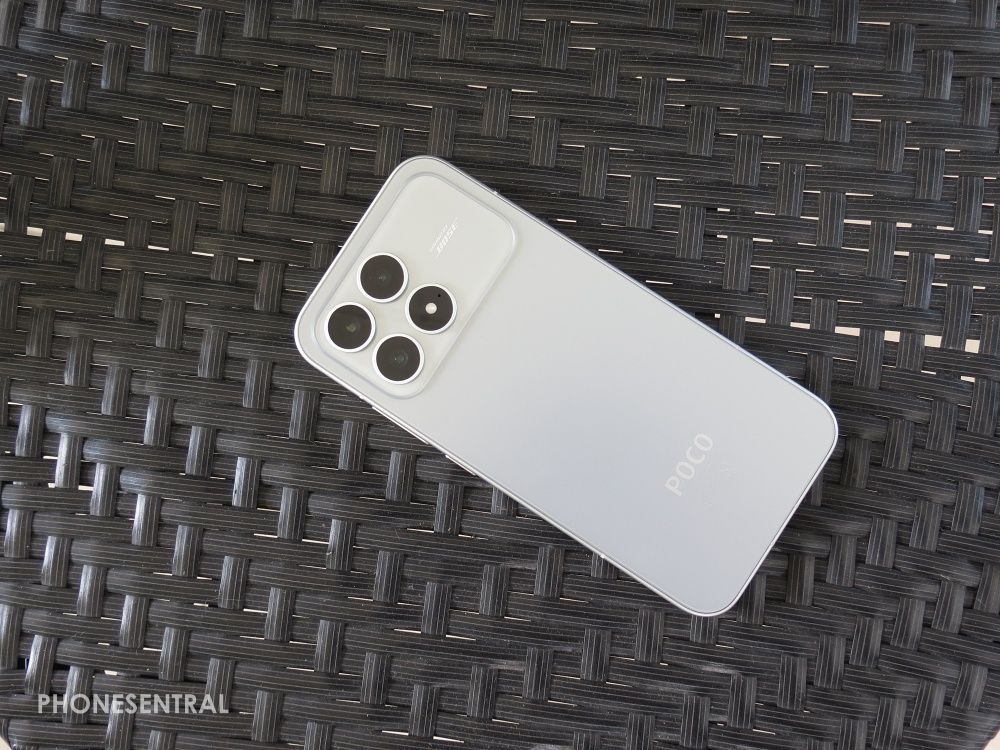
Even with a huge battery inside, it stays at a manageable 199g and about 8mm thin. The frame is aluminum, which gives it a sturdy, cold-to-the-touch premium feel and since it is smaller than most flagships as well as the POCO F8 Ultra I reviewed before, it feels easy to hold.
I’ve been using the Titanium Silver version, which has a beautiful matte finish that does a great job of hiding fingerprints—unlike the mirror-like “window” section near the cameras, which is a total smudge magnet.
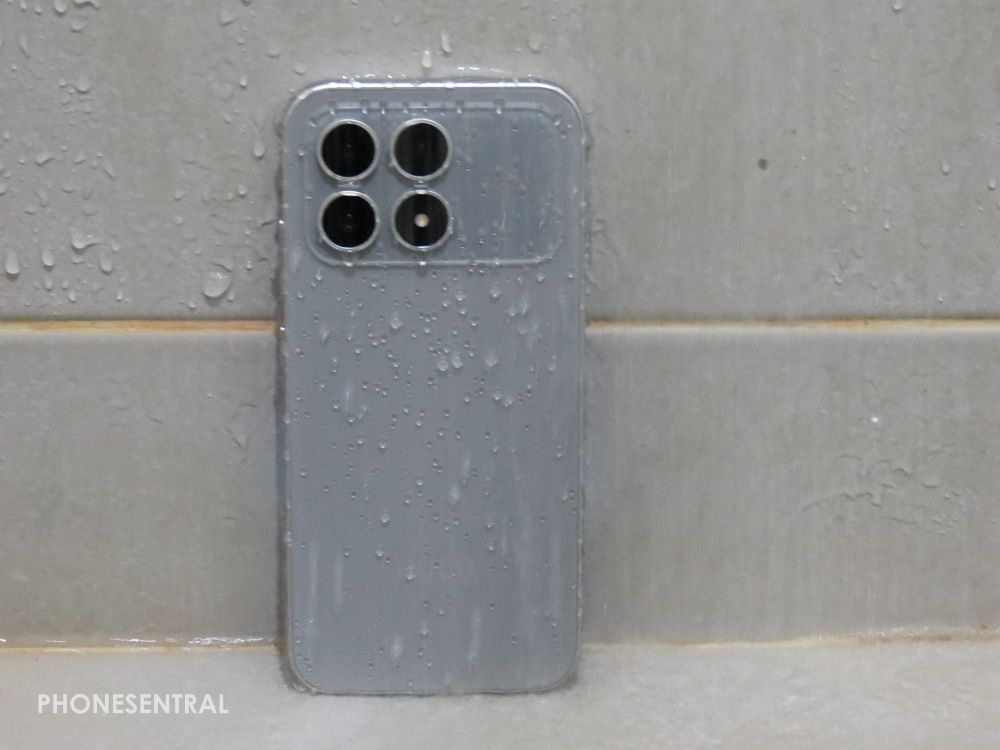
In terms of durability, the move to an IP68 rating is a huge win. I don’t have to panic if I’m caught in a sudden Kuching downpour.
The screen is protected by Gorilla Glass 7i; while not the absolute toughest glass on the market, it has survived my pocket-sharing with keys without a scratch.
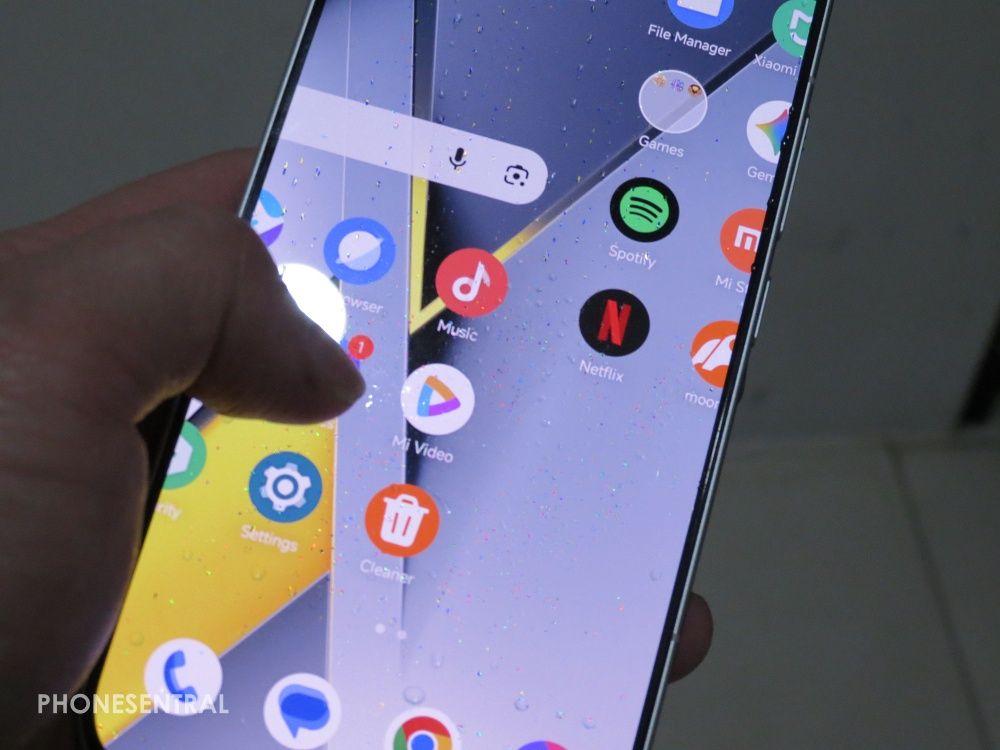
One tiny detail I loved is the “Wet Touch 2.0” feature—I could still type relatively accurately even with sweaty hands after a workout or when light raindrops were on the glass.
Screen & Display
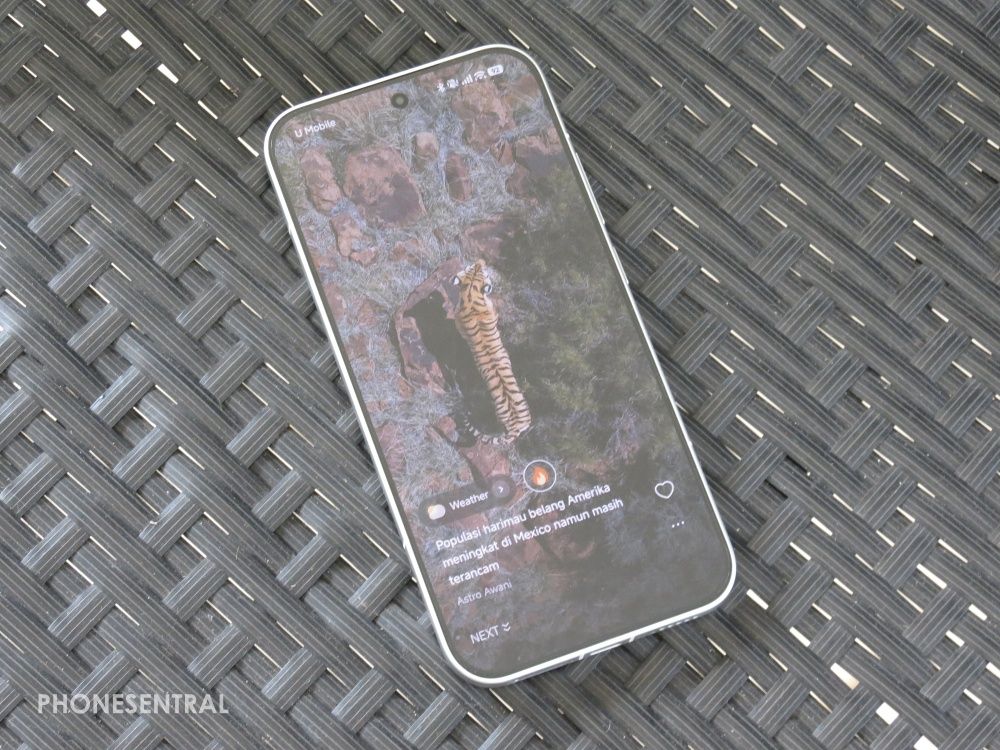
The 6.59-inch “HyperRGB” AMOLED display is a treat. The bezels are noticeably thinner than its predecessor making the screen feel much more immersive.
While the resolution is technically “1.5K” (down from the 2K on the F7 Pro), I honestly couldn’t tell the difference in daily use.
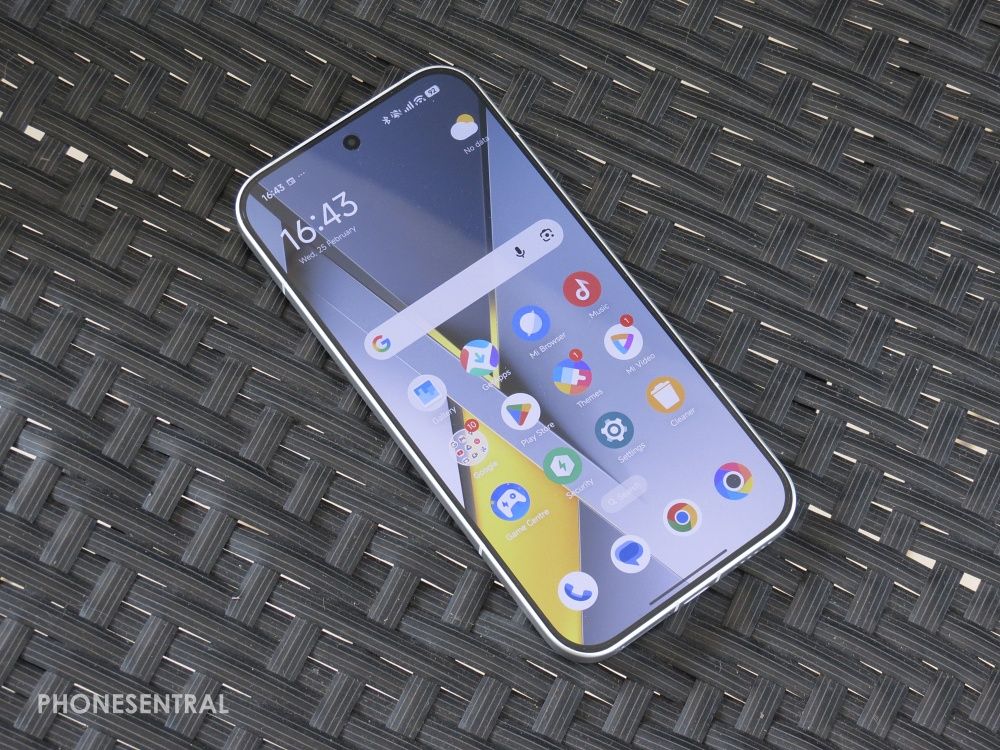
In fact, POCO claims this new sub-pixel structure makes it look just as sharp as a 2K screen while saving a lot of battery.
The 3500 nits peak brightness is no joke; even under the direct Malaysian afternoon sun, I could read my emails and watch videos without squinting.
Audio System
This year, POCO partnered with Bose for the audio tuning, and the result is a mixed bag. The speakers are symmetrical and produce a very loud, clear sound.
In the settings, you can choose between “Dynamic” and “Balanced” profiles but I’d recommend you stick to “Dynamic.” as it provides a much fuller bass and a wider soundstage that makes gaming and watching Netflix a joy.
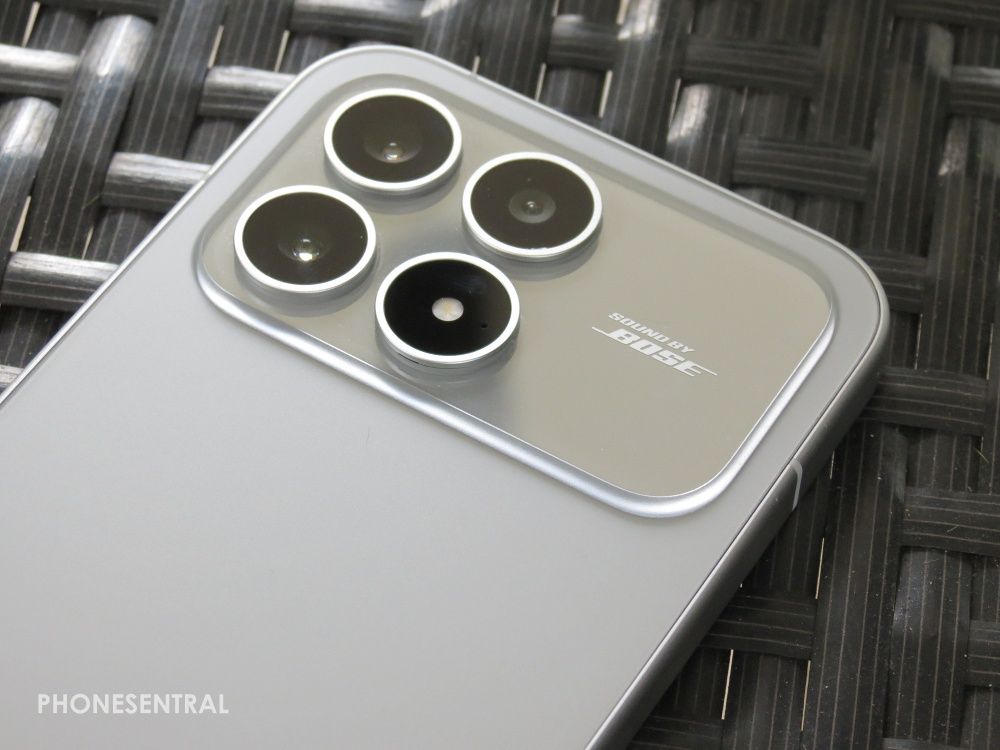
The “Balanced” mode, to my ears, felt a bit muffled and lacked the punch I expected from a Bose-tuned system.
Processor, RAM & Storage
This is where the F8 Pro truly shines. Moving from the Snapdragon 8 Gen 3 in the previous model to the Snapdragon 8 Elite is a massive leap.
Everything from opening apps to editing short 4K vlogs feels instantaneous. My unit came with 12GB of RAM and 512GB of UFS 4.1 storage, which is more than enough for almost anyone.
Compared to its predecessor, it doesn’t just feel faster; it feels more efficient.
It handles heavy multitasking without breaking a sweat, though it can get a bit warm around the camera area during long gaming sessions.
Software
The device runs on HyperOS 3.0 based on Android 16. It’s fluid and highly customizable, but it still has that “Xiaomi flavor” that some might find a bit cluttered compared to a cleaner Android look.
The existence of pre-installed bloatware remains my biggest dislike of the software although I’ve to admit it is one of the more polished softwares around when you are talking about Android.
In addition, POCO is also promising 4 years of major Android updates, which is great for longevity.
Camera
The camera setup is a big story here.
For photography, the 50MP main sensor (Light Fusion 800) takes excellent, detailed photos in daylight with natural colors.
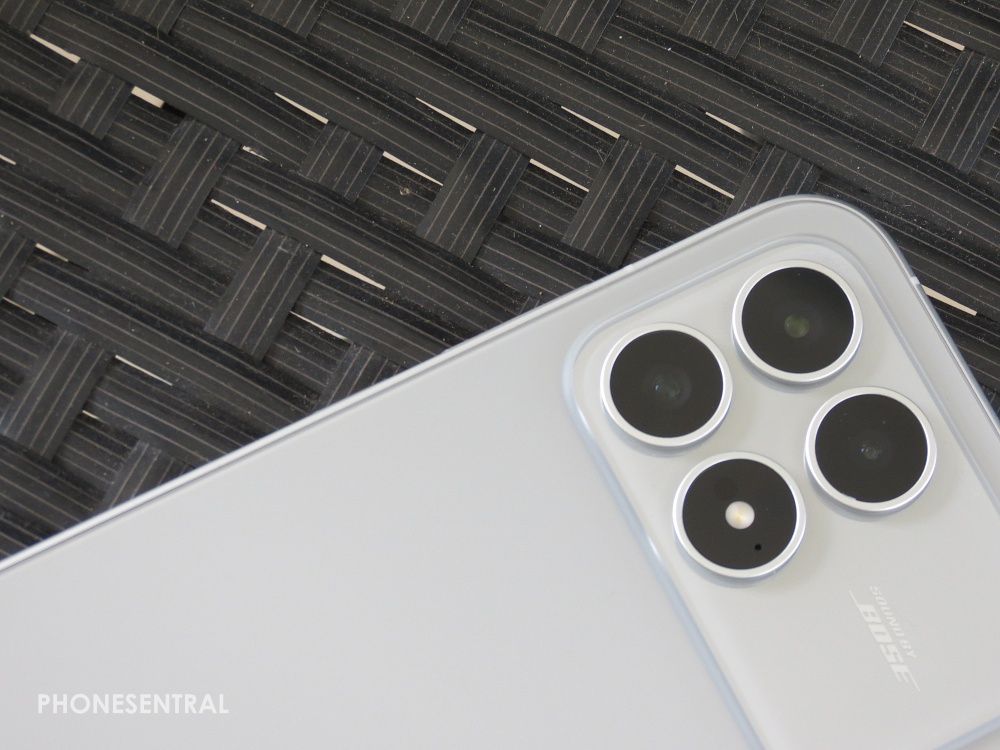
The real star, however, is the new 50MP telephoto lens because having a 2.5x optical zoom is a game-changer for portraits and getting closer to subjects without losing quality. It’s however not as good as the one in the POCO F8 Ultra, so if you really like taking photos, go for the Ultra.
Additionally, the 8MP ultra-wide lens feels like a relic from 2022 as it’s noisy and lacks the detail of the other two sensors.
Night photography is decent on the main lens, but the zoom lens struggles a bit once the lights go down. Here’s some photos I’ve taken with the phone.

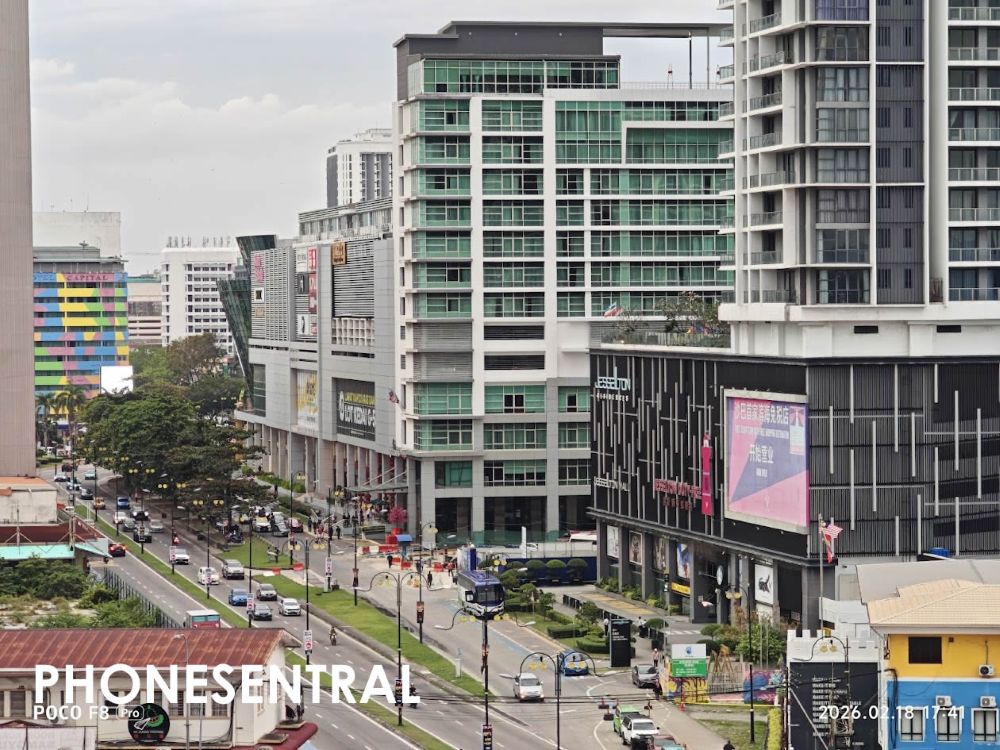



More photos taken using the POCO F8 Pro can be seen on the PhoneSentral Facebook page HERE.
When it comes to videography, you can shoot up to 8K at 30fps.
However, I found 4K at 60fps to be the sweet spot. The stabilization (OIS) on the main lens is fantastic for walking-and-talking vlogs but the front selfie camera is still capped at 1080p, which is disappointing for a “Pro” device in 2026.
A sample of videography can be seen below.
Battery
The 6210mAh battery is an absolute beast. I consistently got through nearly two days of moderate use on a single charge.
Even on heavy days with lots of 5G usage and gaming, I never really had to reach for a charger before bed.
When I do need to juice up, the 100W HyperCharge is incredible, going from empty to 100% in under 40 minutes.
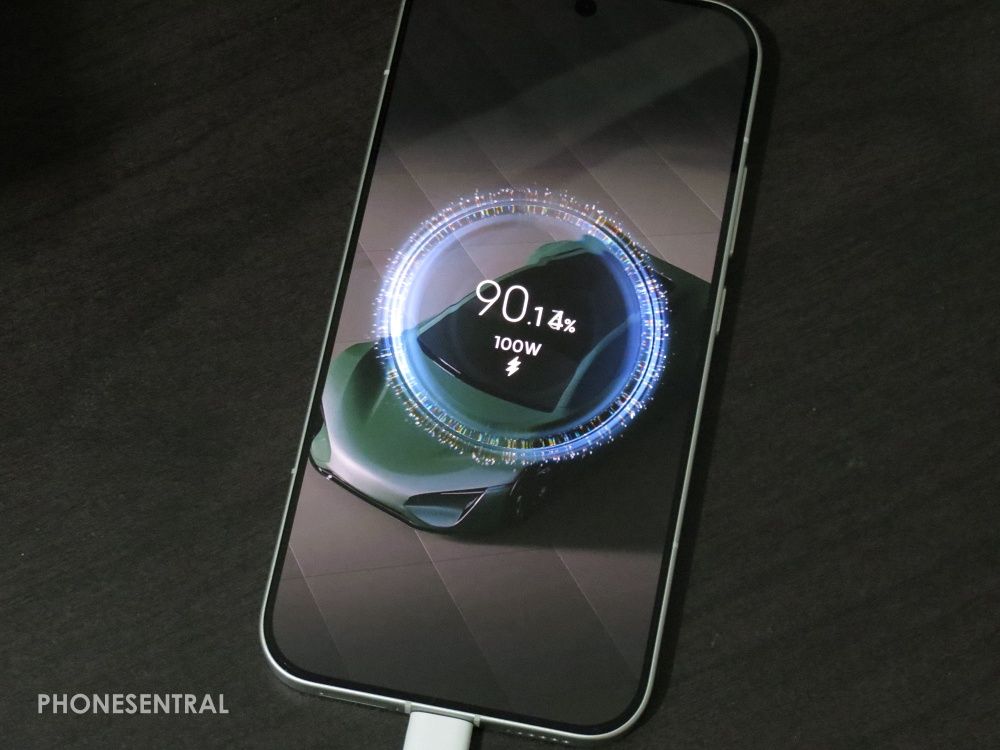
The only miss here is the lack of wireless charging, which some competitors in this price range are starting to include.
Conclusion and Where to Buy
The POCO F8 Pro is a performance monster that has finally learned some manners. It’s no longer just a “gaming phone”; it’s a legitimate flagship alternative for someone who wants the best processor, a massive battery, and a very capable main camera without paying RM4,000+.
It’s best for gamers, power users, and tech enthusiasts who prioritize speed and endurance over “brand status.”
In Malaysia, the POCO F8 Pro starts at RM2,299 for the 12GB+256GB variant.
You can purchase it through the official POCO stores on Shopee and Lazada. For the best discounts, keep an eye out for the double-digit sales (like 3.3 or 4.4) or pay attention to “Early Bird” vouchers that often slash the price by another RM200 – RM300.