Previously, I reviewed the Redmi 15 4G, so when I got the Redmi 15C about a week ago I was thrilled to do this review as I could compare both phones.
Like the Redmi 15 4G, the Redmi 15C was released last August so it’s not exactly a new phone since it’s now November, but then again, this is one of those ‘wallet’ friendly devices meant to give you more for each penny you spend on it.
In this Redmi 15C review, I will only focus on the Redmi 15C, with a comparison between the Redmi 15C and Redmi 15 4G perhaps coming out later.
The links below allow you to jump to specific reviews I’ve done to the phone (just in case you want to read only specifics).
- Main highlights
- Design, body and durability
- Screen & Display
- Audio system
- Processor, RAM & Storage
- Software
- Camera
- Battery
- Conclusion
Main highlights
The absolute highlight of the Redmi 15C is the 6000mAh battery. It’s massive, pushing beyond two full days of moderate use without breaking a sweat, effectively eliminating battery anxiety.
The large, expansive 6.9-inch display also deserves major praise as it makes streaming and gaming an immersive experience, with a buttery smooth 120Hz refresh rate that elevates general navigation to a level usually reserved for pricier devices.
Surprisingly also, the 50MP primary camera is another great feature, consistently delivering sharp, detailed images in well-lit conditions. It’s a very dependable sensor for capturing those essential daily moments.
Finally, the inclusion of an IP64 dust and splash resistance rating adds a welcome layer of durability and peace of mind putting th Redmi 15C as a phone with a successfully bundle of high-value features into one remarkably affordable package.

Design, body and durability
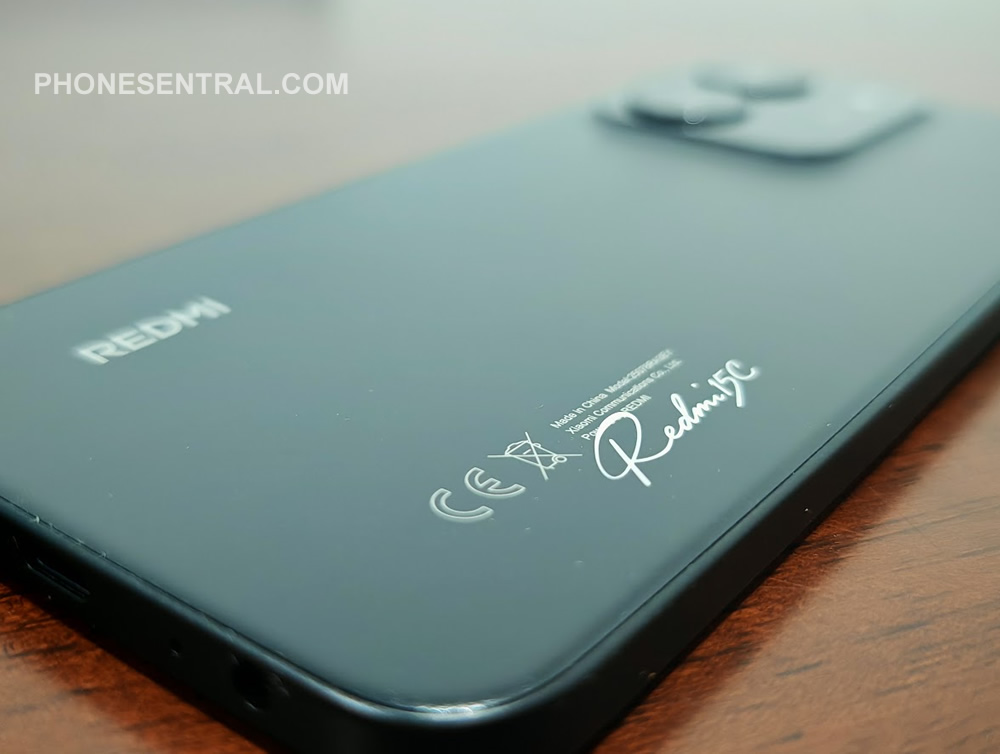
After spending some time with the Redmi 15C, I can confidently say the phone delivers a surprisingly stylish design for its price bracket.
The 7.99mm slim profile and the Midnight Black I obtained make it feel comfortable and aesthetically pleasing in hand.
It doesn’t scream “budget phone” right out of the box, and the 6.9-inch display with its 120Hz smoothness is certainly immersive.
However, once you move past the aesthetics, the budget nature of the build becomes apparent with the body being entirely plastic which also pick up micro-scratches if rubbed against harder surfaces.
On the durability front, the official IP64 rating is a welcome bonus, offering solid protection against dust and water splashes – a real rarity at this price. The screen, protected by Gorilla Glass 3, is solid with a wide “chin” bezel at the bottom which does make it feel a little dated in 2025.
Noneteless, it’s a great-looking phone, but treat it with a case to maximize its lifespan. – Redmi perhaps threw in a free silicone case to ensure the phone remains pristine once unboxed.
Screen & Display
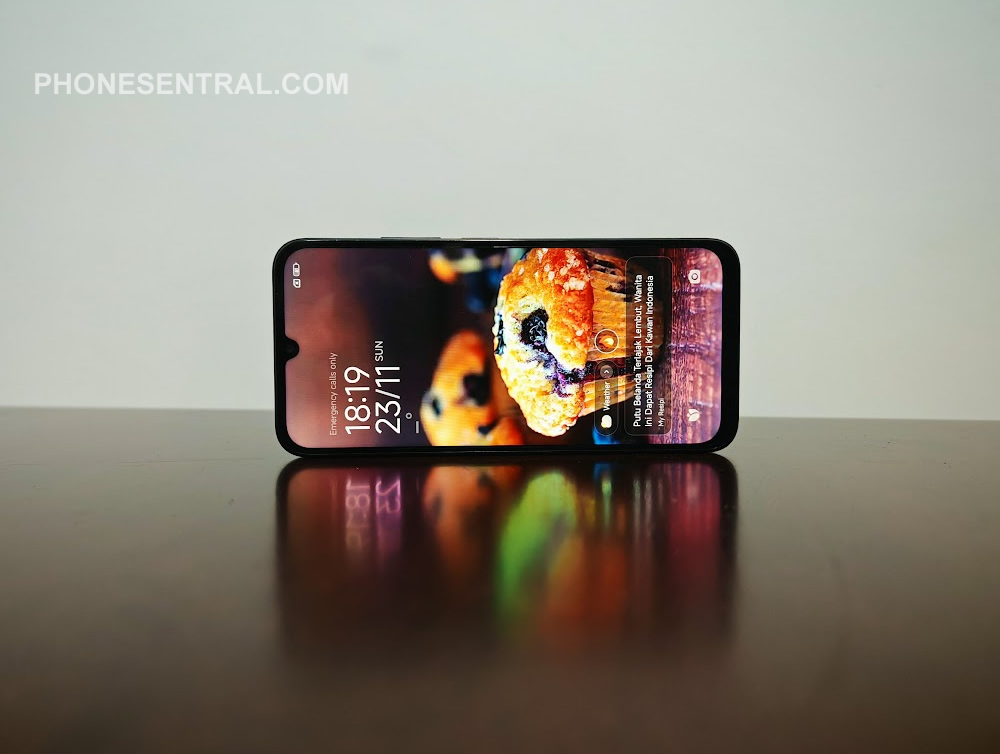
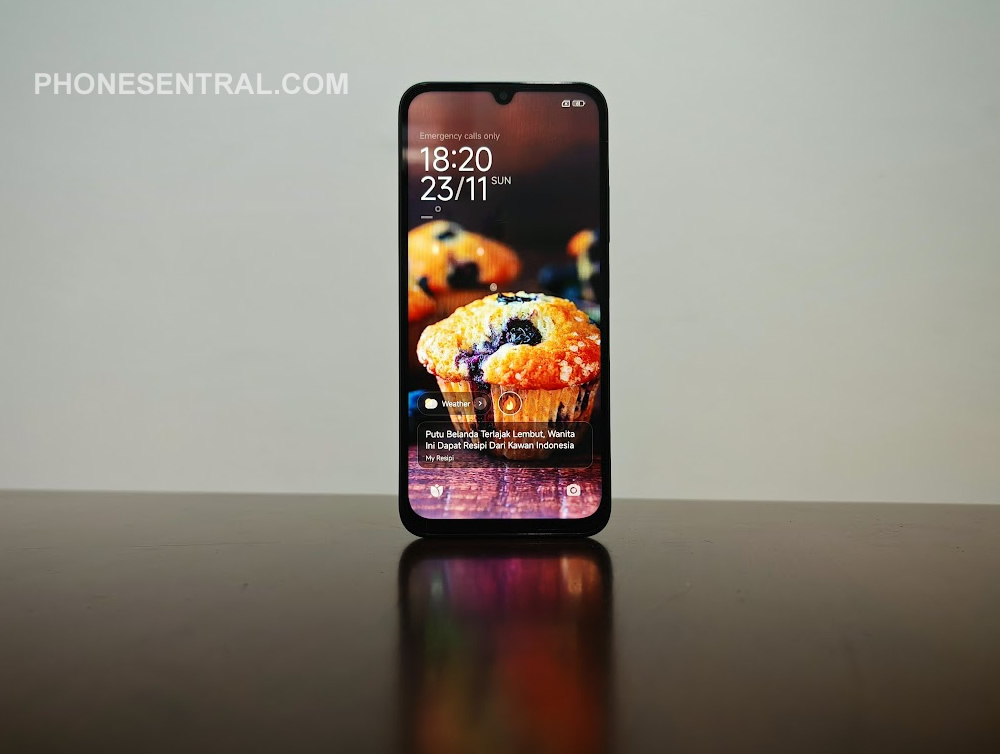
The screen experience on the Redmi 15C is where the phone attempts, and largely succeeds, at punching above its weight.
The expansive 6.9-inch screen size makes media consumption feel genuinely immersive and is ideal for binge-watching or light gaming.
Adding to that is the 120Hz refresh rate, which in my opinion is the real star of the display.
Scrolling between applications and navigating social feeds is unbelievably fluid and the decent high brightness mode (HBM) at a maximum of 810 nits makes the display remain perfectly usable even when I stepped outside.
Compromises in the phone however come in the HD+ (720p) resolution with the screen lacking slightly in sharpness, but I am just nitpicking.
Audio System
The Redmi 15C audio focuses heavily on volume, and it delivers.
I found the single, bottom-firing loudspeaker to be incredibly loud, especially when using the 200% volume boost feature.
This feature is genuinely useful for ensuring I don’t miss calls or notifications when I’m out in a noisy environment or across the house with the speakers also good for casual video watching and ringtones.
Xiaomi also didn’t ditch the 3.5mm headphone jack, which to me is still pretty much relevant in today’s phone.
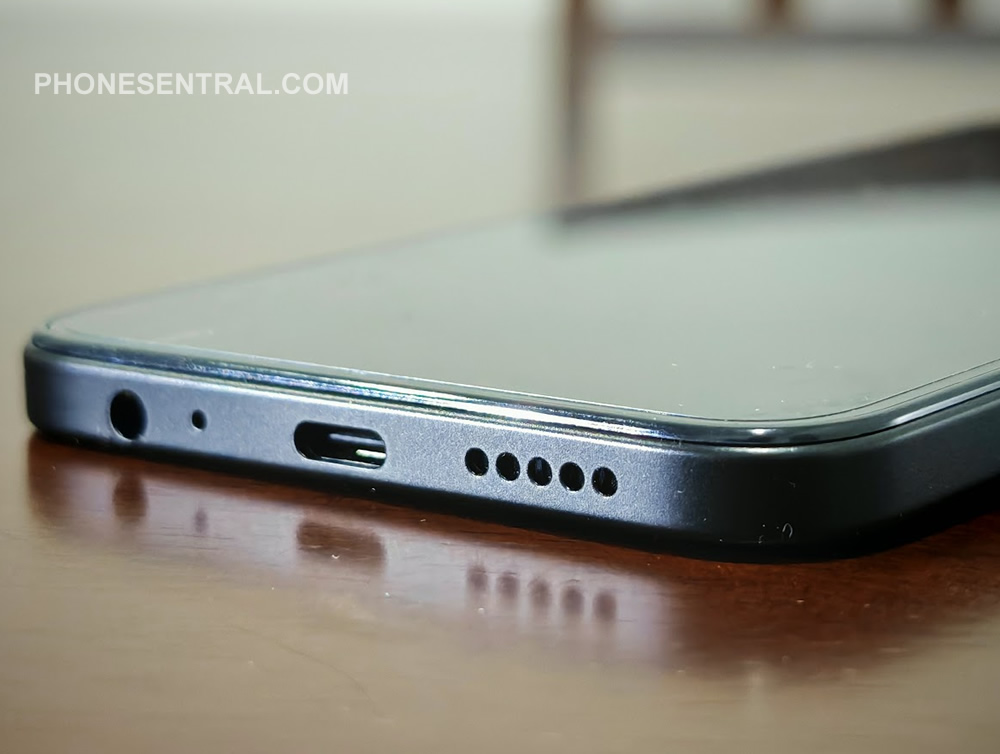
Despite the loud audio capabilities, the speaker experience is held back by one major budget compromise: the sound quality itself. It’s thin, tinny, and dominated by treble.
This is compounded by the fact that the Redmi 15C features only a mono speaker setup, is very obvious especially when gaming or watching movies when the palm or hands cover or muffle it.
Processor, RAM and Storage
Under the hood of the Redmi 15C is a MediaTek Helio G81-Ultra processor.
This is an octa-core processor designed to keep the cost down, but can do standard daily tasks like scrolling social media, checking email, or light web browsing without much issues.
To put it in short, the processor handles the fundamentals perfectly fine, proving dependable for basic users who just need communication and media.
Despite this capable processor, the combination of the base RAM and the slow storage type, both running at 4GB RAM variant and an OS like HyperOS, just isn’t sufficient for effective multitasking in 2025.

App loading speeds often feel sluggish, and switching between more than two moderate applications inevitably leads to stutters or frustrating reloads.
Furthermore, the choice of using slower eMMC-type internal memory is a major bottleneck. When installing large apps or transferring files, the sluggish read/write speeds are painfully noticeable and contribute significantly to the overall system feeling less responsive than its 120Hz screen might suggest.
While the ability to expand storage with a microSD card is great for space, it doesn’t solve the core speed issue.
Software
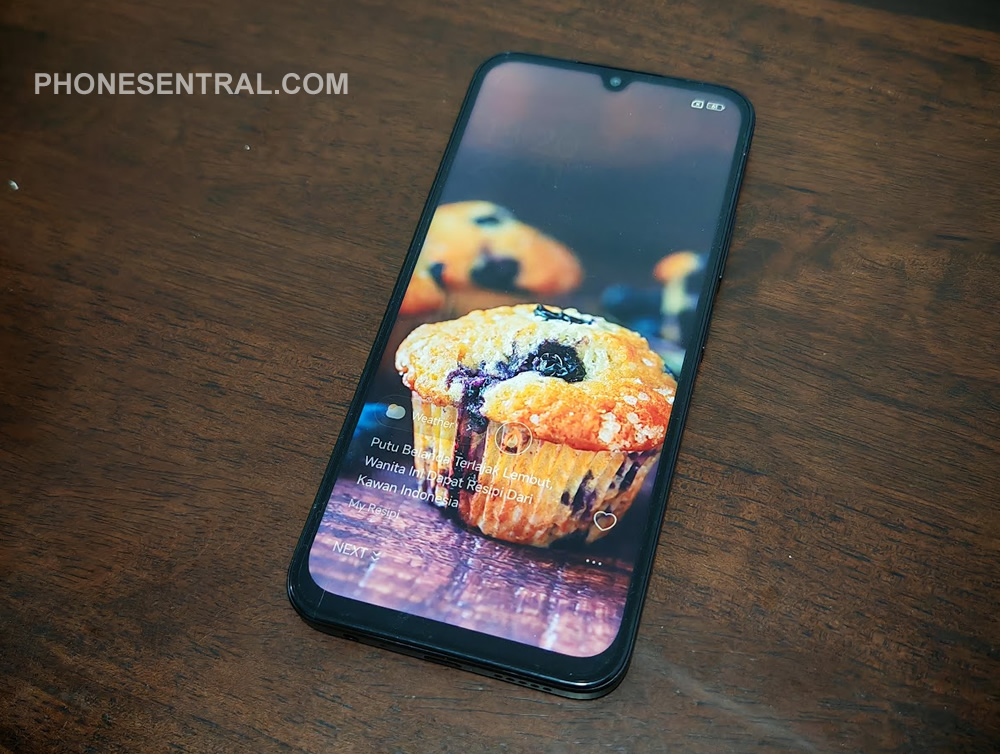
Like all other Xiaomi smartphones this year, the Redmi 15C arrives with Xiaomi’s revamped HyperOS 2.0, and on the surface, it’s a modern, polished step away from the old MIUI days.
The design language is cleaner, and the animations feel quite slick, making good use of the 120Hz display and most importantly, when it’s smooth.
However, the software, relentless monetization strategy, can quickly becomes a perfect case study in budget compromises, as it comes pre-installed with bloatware and those infamous system-level advertisements (MSAs).
These software and adverts can be disabled, but I had to visit the settings to turn them off. In addition, the processor of the phone also affects how the software responds so there are moments patience is needed when multitasking or loading apps.
Camera
When evaluating the Redmi 15C’s camera system, it’s important to focus almost entirely on the main 50MP sensor.

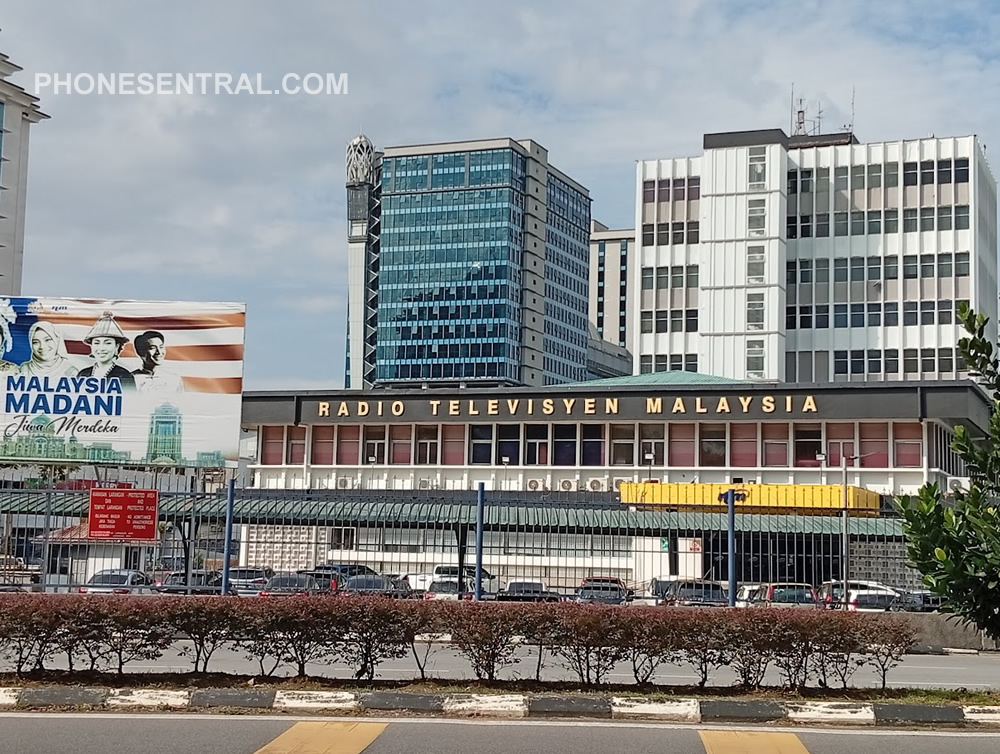
In good daylight and well-lit conditions, this sensor is a capable performer, punching above its weight class.
I was genuinely pleased with the sharp details, decent dynamic range, and punchy colors it delivered for everyday snapshots and landscape photos.
It’s certainly a dependable camera for documenting life when the sun is shining, making it a viable option for the casual user.
Sample of photos in such conditions can be seen below.



However, the rest of the camera setup reflects the phone’s budget status.
The 2MP depth and 2MP macro sensors are low-resolution and produce ‘hit and miss’ images, and low-light photography tends to have noticeable noise with photos taking quite a while to process, showing off the struggling processor.
Selfies and potrait photos, both using the rear front camera are good in my opinion with nice bokeh effects.

In video, the lack of image stablisation is evident particularly when on the move although videos captured under good lighting are sharp with decent dynamic rance and punchy colours. You can see the video review I made below.
Battery
The battery life on the Redmi 15C is, without a doubt, the undisputed champion feature.
With its massive 6000mAh cell, I found myself confidently pushing beyond two full days of typical usage – email, social scrolling, and plenty of music streaming – without having to panic about finding an outlet. It truly eliminates battery anxiety, which is a rare feat in today’s smartphone market.
Even when streaming video constantly or playing a few light games, getting through a very long day is absolutely trivial, making it an ideal companion for travelers or busy workers.

For juicing up, Xiaomi includes a decent 33W fast charger which takes about two hours for a full charge, or even 45 minutes to get past the 50% mark.
Honestly, such massive batteries would be better with higher fast chargers so that they get filled up faster.
Conclusion
The Redmi 15C’s strength lies in delivering tremendous longevity and a large screen at an unbeatable price point.
With its massive 6,000mAh battery and smooth 120Hz display, this is the perfect phone for students, older users, or anyone prioritizing basic functions like messaging, streaming, and all-day battery life over anything else.

The phone is a dependable daily driver for the financially conscious consumer and the price tag of RM429 for the cheapest variant which features 6GB+128GB, and RM529 for the top 8GB+256GB variant reflects just that.
This puts the Redmi 15 4G as the more expensive device between the two, and perhaps the better option if you have an extra RM50 to spare.
Where to buy
The phone is available in Xiaomi’s official website, as well as its official online stores.
For best prices and promotions, visit the official Xiaomi Shopee store.